The Population-First Framework
An NHS AI strategy assessment
The AI strategy your patients deserve, your staff can rely on, and your board can stand behind.
Better care for the people who need it most. Stronger tools for the clinicians who deliver it. Defensible decisions for the boards who approve it.The Population-First Framework is the methodology we use to make all three possible at once. Drawing on WHO, NIST, EU AI Act, MHRA, FUTURE-AI, and NHS frameworks. Built with the sector, for the sector.
A 30-minute self-assessment for your strategy. Free.

WHY THIS MATTERS
The AI strategies we write in the next two years will shape the next decade of NHS care.
When done well, your Trust AI strategy is one of the most consequential things our generation of leaders can build. It is how we close gaps in care that have existed for decades. It is how we reach the patients who have been hardest to reach. It is how we give our clinicians tools that solve the problems they actually face, rather than the problems vendors think they do.Done well, our boards can approve significant commitments with confidence, because the evidence base is genuine. Our regulators see strategies that meet the bar before the bar is set in law. Our patients see the NHS continuing to do what we came here to do, which is care for them with the best tools we can build.Done well, NHS AI is the most powerful instrument we have ever had for narrowing health inequalities. The same models that diagnose cancer can flag patients lost between appointments. The same systems that automate clinical documentation can free clinicians for the work that only they can do. The same platforms that streamline referrals can reach families whose first language is not English.
That is the prize. The Population-First Framework is how we work toward it together.
HOW WE GET THERE
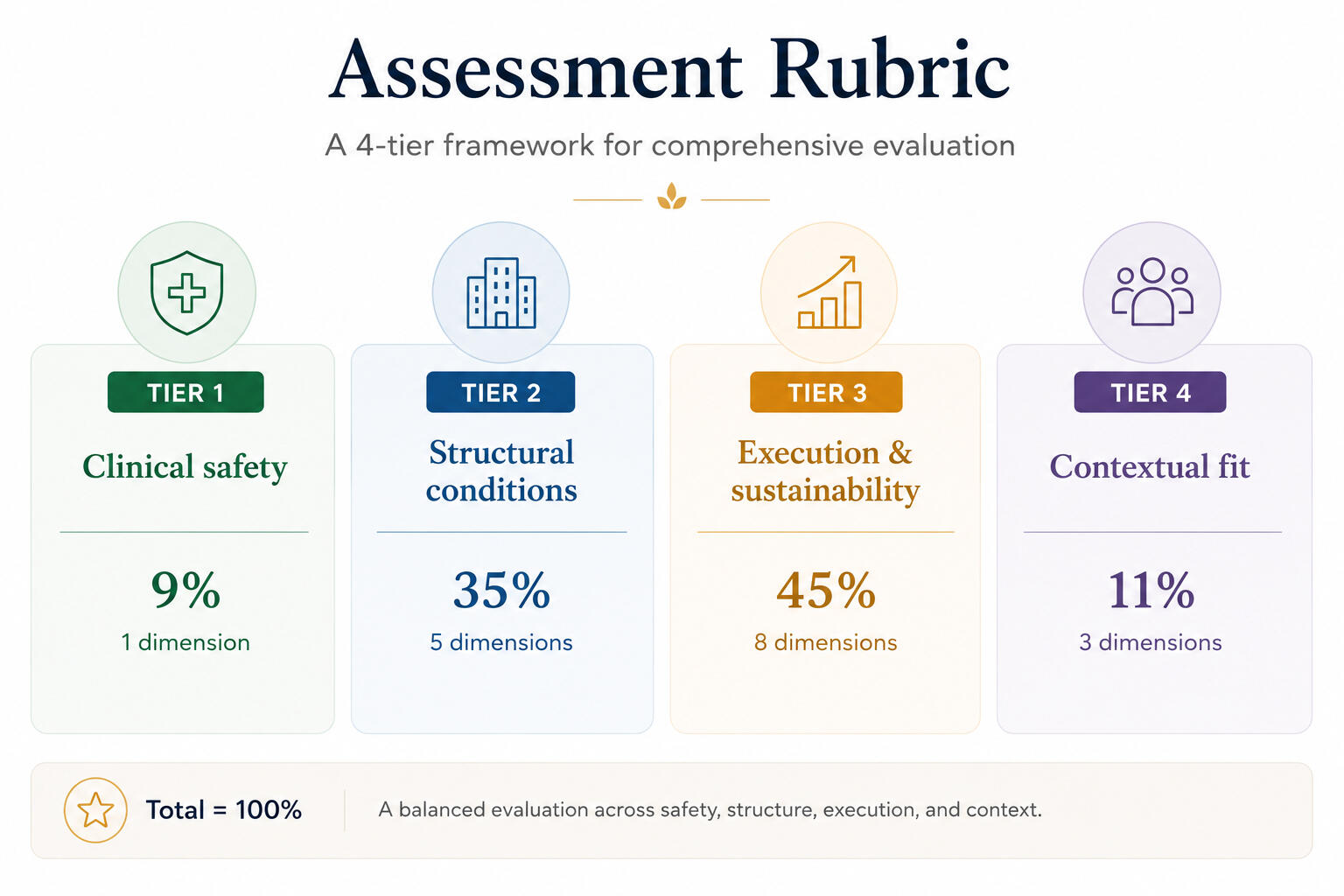
A good NHS AI strategy starts from the population it serves and works outward. The Population-First Framework is the structured methodology we use to make sure it does. What it produces is a strategy that boards can defend, regulators can validate, clinicians will engage with, and patients will benefit from.
Drawing on WHO Ethics and Governance of AI for Health, NIST AI RMF, ISO/IEC 42001, the EU AI Act, MHRA SaMD, FUTURE-AI, the AI Playbook for UK Government, DCB0129/0160, and Core20PLUS5. The framework is designed to support your team's existing work, not to duplicate it.
HOW WE WORK TOGETHER
Four ways of working, each designed to deliver a different outcome and to support your team's existing work rather than replace it.
A strategy that reaches your population. We write the strategy together, with your trust's specific population, governance, and clinical priorities as the starting point. A strategy your patients will recognise themselves in.
A team that can do this work independently. Training for your digital, innovation, and clinical informatics teams in applying the framework themselves. In-house capacity, defensible methodology, with you long after.
A strategy your board can stand behind. A structured review producing a defensible record your board can use for approval, regulator submissions, or procurement. Your team holds the strategy; the framework is the quality backbone.
A system view that supports your trusts. A review across constituent trusts in your ICS or region, identifying shared challenges and common strengths. Framed as collegial work between system partners, not league tables.

WHY I BUILT THIS FRAMEWORK
Earlier in my career, I wrote strategies for healthcare organisations that I am no longer proud of.
They were technically sound. They included the right citations, the right governance language, and the expected roadmap. They passed approval processes and were referenced in board papers.But they were little more than vision statements and lists of ambitions, rather than strategies designed to solve the real problems facing the populations they were meant to serve.I see the same pattern in many NHS AI strategies today. They are often broad, generic, and disconnected from the organisation's unique strengths, opportunities, and most pressing challenges. The fundamental question is rarely asked: Which patients are currently being underserved, why are they being underserved, and where could AI make the greatest difference in closing those gaps?
"The strategies I wrote were technically right. They were ethically incomplete."
Now, with the framework as a starting point, the strategies we build with NHS trusts deliver something different. They reach the patients who were being missed. They give clinicians tools that solve the right problems. They give boards a defensible basis for approval. They give regulators evidence of the standards that are still settling. And they give the trust a strategy worth being proud of, in three years and in ten.We came into NHS work, whether as clinicians, as managers, as digital specialists, or as analysts, because we wanted to do something that mattered for the patients we serve and the staff we work alongside. The AI strategies we produce are one of the most consequential things our generation of NHS leadership will leave behind. They will shape who gets care in the next decade, and how well.
If any of this resonates with what you are seeing in your own organisation, that is the conversation worth having.

About Omasan Edun
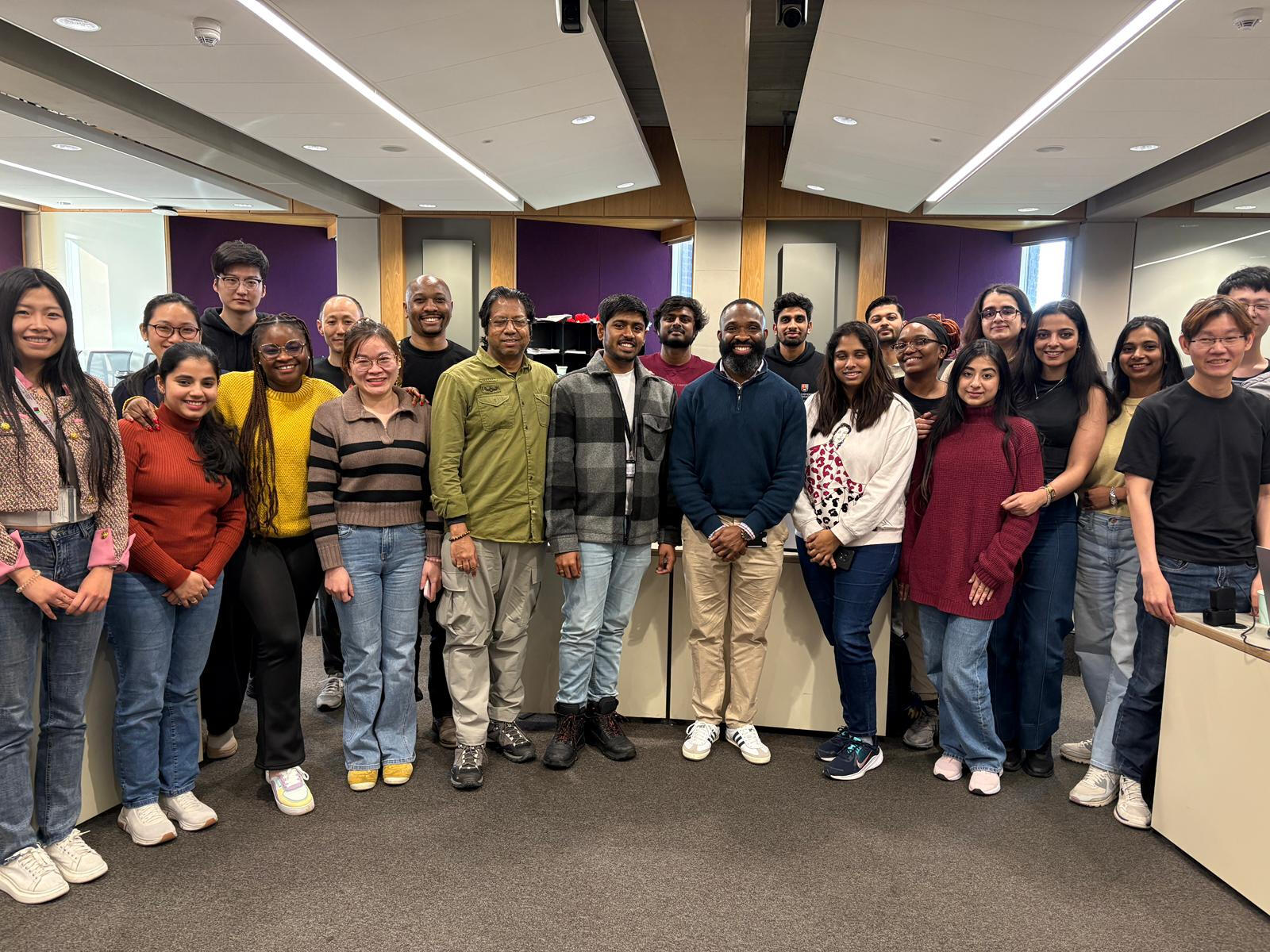
Omasan is a medical doctor, certified AI Governance Professional (AIGP), and senior NHS transformation leader. Prior experience includes public health and clinical research at Johns Hopkins, international health systems work with the World Bank across low- and middle-income settings, and strategic consulting at Deloitte across public and private healthcare.The combination of clinical training, formal AI governance credentialing, an international health systems perspective, and large-scale strategic delivery forms the basis of the Population-First Framework.The framework is available for engagement with NHS trusts and ICBs to build AI strategies that meet the standards of clinical safety, regulatory rigour, and population fit that the work demands, drawing on WHO, NIST, EU AI Act, MHRA, FUTURE-AI, and NHS frameworks as the underlying methodological base.

TEST YOUR OWN STRATEGY
The Six-Component Test is a 30-minute self-assessment, drawn from the longer framework, that you can use on your own strategy or a draft you are working on. Enter your details and I will email it to you immediately, with a short personal note.